
Cholerhiasis, also known medically as Cholelithiasis, refers to the condition where gallstones form inside the gallbladder, and although the word may sound complex, it simply describes a common digestive issue that affects many people around the world, especially those with certain lifestyle or dietary habits, and understanding this condition is important because it helps individuals recognize symptoms early, make better health choices, and avoid complications that can develop over time if the condition is ignored or left untreated.
What Is the Gallbladder and Its Role
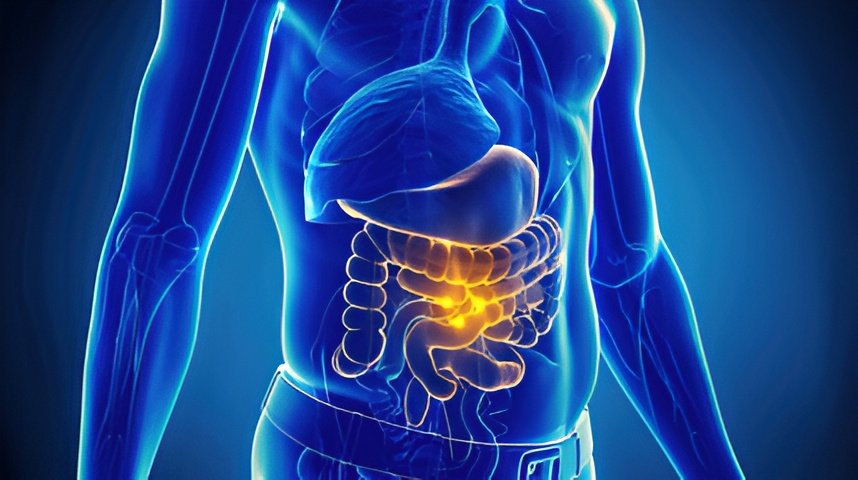
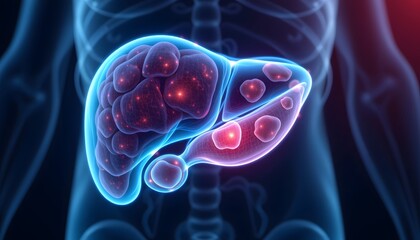
The gallbladder is a small organ located under the liver, and it plays a key role in digestion by storing bile, which is a fluid produced by the liver to help break down fats in the food we eat, and when you consume fatty meals, the gallbladder releases bile into the digestive system, but when this process becomes unbalanced, substances in the bile can harden and form stones, which leads to cholerhiasis and may interfere with normal digestion.
Understanding Cholerhiasis in Simple Terms
In simple words, cholerhiasis happens when tiny particles in bile stick together and grow into solid stones inside the gallbladder, and these stones can vary in size from very small grains to larger stones, and while some people may never notice them, others may experience discomfort or serious pain, especially when these stones block the flow of bile, making it important to understand both silent and active cases of this condition.
Causes of Cholerhiasis
Cholerhiasis can develop due to several reasons, and one of the main causes is an imbalance in the substances that make up bile, such as too much cholesterol or bilirubin, and in addition, factors like poor diet, obesity, rapid weight loss, and certain medical conditions can increase the risk, while genetics may also play a role, meaning that if someone in your family has had gallstones, your chances of developing cholerhiasis may be higher.
Risk Factors You Should Know
There are several risk factors that make a person more likely to develop cholerhiasis, and these include age, gender, lifestyle habits, and underlying health conditions, and for example, people who eat high-fat diets or lead sedentary lifestyles are more at risk, while women are generally more affected than men, and individuals with diabetes or liver problems may also have a higher chance of developing gallstones over time.
Types of Gallstones in Cholerhiasis
Cholerhiasis includes different types of gallstones, and the most common type is cholesterol stones, which form when there is too much cholesterol in the bile, while another type is pigment stones, which are darker and form due to excess bilirubin, and understanding these types helps doctors decide the best treatment approach, as each type may have slightly different causes and characteristics.
Symptoms of Cholerhiasis
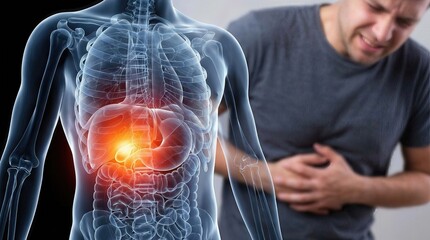
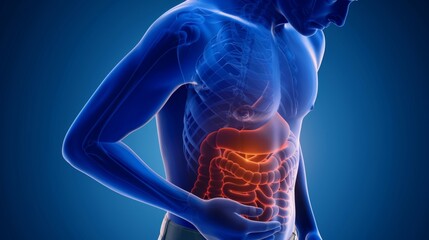
The symptoms of cholerhiasis can vary from person to person, and while some people may have no symptoms at all, others may experience sudden pain in the upper right side of the abdomen, especially after eating fatty foods, and this pain can sometimes spread to the back or shoulder, and may be accompanied by nausea, vomiting, or bloating, making it important to pay attention to these warning signs.
Silent Cholerhiasis Cases
In many cases, cholerhiasis does not cause any noticeable symptoms, and this is known as silent gallstones, and people may live for years without knowing they have them, but even though there are no symptoms, it is still important to monitor the condition, as complications can develop suddenly, especially if the stones begin to block bile ducts or cause inflammation in the gallbladder.
Complications of Cholerhiasis
If cholerhiasis is not managed properly, it can lead to serious complications, such as inflammation of the gallbladder, blockage of bile ducts, or infection, and these complications can cause severe pain, fever, and digestive issues, and in some cases, they may require emergency medical treatment, which is why early detection and proper care are essential for maintaining good health.
How Cholerhiasis Is Diagnosed
Doctors diagnose cholerhiasis using a combination of medical history, physical examination, and imaging tests, and one of the most common methods is ultrasound, which allows doctors to see the gallstones clearly, while blood tests may also be used to check for infection or inflammation, and these diagnostic tools help determine the severity of the condition and guide treatment decisions.
Treatment Options for Cholerhiasis
The treatment of cholerhiasis depends on the severity of symptoms, and in mild cases, lifestyle changes and dietary adjustments may be enough to manage the condition, while in more severe cases, medications or surgical removal of the gallbladder may be recommended, and although surgery may sound serious, it is a common and generally safe procedure that helps prevent future complications.
Lifestyle Changes to Manage Cholerhiasis
Making simple lifestyle changes can play a big role in managing cholerhiasis, and this includes maintaining a healthy weight, eating a balanced diet, and staying physically active, and avoiding foods high in fat and cholesterol can reduce the risk of gallstone formation, while drinking enough water and eating fiber-rich foods can support better digestion and overall health.
Diet and Nutrition Tips
Diet plays a crucial role in preventing and managing cholerhiasis, and it is important to include fresh fruits, vegetables, whole grains, and lean proteins in your daily meals, while limiting fried and processed foods, and eating smaller, more frequent meals can also help the gallbladder function more efficiently, reducing the chances of stone formation and improving digestive comfort.
Importance of Early Detection
Early detection of cholerhiasis can make a significant difference in treatment outcomes, and by recognizing symptoms early and seeking medical advice, individuals can avoid complications and manage the condition more effectively, and regular health checkups can also help identify gallstones before they cause serious problems, ensuring better long-term health.
Surgical Treatment Explained
When cholerhiasis becomes severe or causes frequent pain, doctors may recommend surgery to remove the gallbladder, and this procedure is known as cholecystectomy, and it is commonly performed using minimally invasive techniques, allowing patients to recover quickly, and although the gallbladder is removed, the body can still digest food normally with proper dietary adjustments.
Recovery After Treatment
Recovery after treatment for cholerhiasis depends on the type of treatment received, and while lifestyle changes may require ongoing effort, surgical recovery is usually quick, with most people returning to normal activities within a short time, and following medical advice during recovery is important to ensure proper healing and prevent future digestive issues.
Preventing Cholerhiasis
Preventing cholerhiasis involves adopting healthy habits, such as eating a balanced diet, staying active, and avoiding rapid weight loss, and these steps can reduce the risk of gallstone formation, while maintaining overall health, and although not all cases can be prevented, taking care of your body can significantly lower your chances of developing this condition.
Common Myths About Cholerhiasis
There are many myths about cholerhiasis, and one common misconception is that it only affects older people, while in reality, it can occur at any age, and another myth is that surgery is always required, but many cases can be managed without it, and understanding the facts helps people make informed decisions and reduces unnecessary fear about the condition.
Living with Cholerhiasis
Living with cholerhiasis can be manageable with the right approach, and by following medical advice, maintaining a healthy lifestyle, and staying aware of symptoms, individuals can lead normal and active lives, and regular checkups can help monitor the condition and prevent complications, ensuring long-term well-being and peace of mind.
Conclusion
Cholerhiasis is a common but manageable condition that involves the formation of gallstones in the gallbladder, and while it may not always cause symptoms, understanding its causes, symptoms, and treatment options is essential for maintaining good health, and by making simple lifestyle changes and seeking timely medical care, individuals can effectively manage this condition and avoid serious complications.
FAQs
What is cholerhiasis in simple words
Cholerhiasis means having gallstones in the gallbladder, which are small hardened deposits formed from bile.
Is cholerhiasis dangerous
It can be harmless in some cases, but it may become serious if it causes pain or blocks bile flow.
Can cholerhiasis go away on its own
In most cases, gallstones do not disappear naturally and may require medical treatment if symptoms occur.
What foods should I avoid with cholerhiasis
You should avoid fatty, fried, and processed foods as they can worsen symptoms and increase gallstone risk.
Is surgery always needed for cholerhiasis
No, surgery is only needed in severe cases, and many people manage it with diet and lifestyle changes.
Read also: sentbackorg blog Education, Health, & Environmental Programs