
When a tap starts dripping, the natural reaction is to turn it tighter. It feels logical. If water is escaping, tightening the handle should stop it. Sometimes it seems to work for a short time, which makes the habit even harder to break.
Unfortunately, over-tightening a tap can make the leak worse. It can damage washers, valve seats, ceramic cartridges, threads, and internal components. A small drip that needed a simple repair can become a stiffer, more worn, and more expensive fixture problem.
Why Taps Start Leaking
Taps can leak for several reasons. Washers may wear out, O-rings may fail, valve seats may become damaged, cartridges may deteriorate, or internal parts may loosen with age and use.
Water pressure, mineral deposits, corrosion, and frequent use can all contribute to wear. The leak is usually a symptom of a part that no longer seals properly, not a sign that the handle needs more force.
Why Over-Tightening Causes Problems
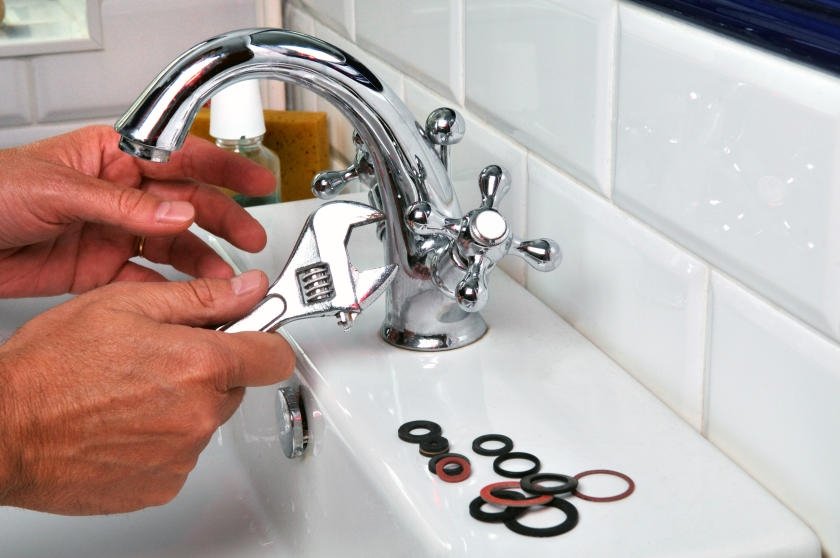
In traditional washer taps, the washer presses against the valve seat to stop water flow. When the washer wears down, the tap may drip. Turning the handle harder compresses the washer more forcefully.
This can flatten, split, or distort the washer. Once that happens, it may no longer seal evenly. The drip can become more persistent, and the tap may require more force each time it is used.
Damage to Valve Seats and Internal Components
The valve seat is the surface the washer seals against. If it becomes scratched, pitted, or worn, the tap may continue leaking even after the washer is replaced.
Over-tightening can accelerate this wear. Instead of creating a better seal, the extra force can grind damaged parts together. For mixer taps or ceramic cartridge taps, forcing the handle can damage the cartridge or internal mechanism.
Signs of Progressive Failure
A tap that needs to be turned harder over time is already showing signs of progressive failure. Persistent dripping, stiff handles, grinding, squeaking, water leaking around the handle, or a tap that no longer shuts off cleanly all suggest internal wear.
Another warning sign is when household members all develop the habit of turning the tap harder. This usually means the tap is no longer operating normally.
When Professional Repairs Are Better
Replacing a washer may seem simple, but it does not always solve the problem. If the valve seat is damaged, a new washer may wear out quickly. If the tap uses a cartridge, the wrong part may not fit or seal correctly.
A local plumber Sydney can identify whether the problem is a washer, cartridge, O-ring, valve seat, pressure issue, or worn tap body. Correct repair stops the leak without damaging the fixture further.
Conclusion
Turning a leaking tap harder may feel like a quick fix, but it can damage washers, valve seats, cartridges, and internal components. The leak usually means a sealing part has worn out, not that more pressure is needed.
If a tap keeps dripping or becomes stiff, stop forcing it. Proper diagnosis and repair can stop the leak without damaging the fixture further.